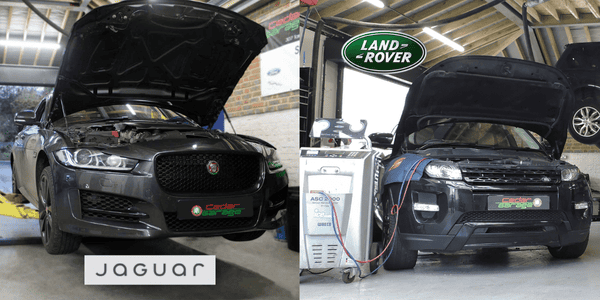
Enabling our customers to have trouble-free motoring in a safe and trustworthy vehicle is important to us. We receive many enquiries from our customers driving diesel vehicles about their DPF faults. Most modern diesel cars from 2006 onwards are fitted with Diesel Particulate filters which reduce emissions being released from the exhaust. However, these DPFs can become problematic when they clog up and can lead to large repair bills. If you haven’t experienced your DPF being clogged, you probably hadn’t realised it was there. But when a problem arises, it’s impossible to ignore.
What is a DPF?
A DPF is a soot trap, a filter that captures and stores the soot from an exhaust to minimise emissions. It not only reduces these harmful emissions, but helps to prevent black smoke from being pumped out of diesel cars.
How Does it Work?
Exhaust gases travel through the filter and the large soot particles released in the combustion process, get caught in the DPF. These are what can cause the problems as they can block the DPF and prevent the engine from running. This is what causes the extensive repair bills to lead into the thousands. DPF capacities are only finite, therefore, clearing the soot by burning it off at high temperatures is essential. Problems arise due to a by-product of the process: ash. This ash gets stuck in the filter and if not cleared can accumulate over time.
Common Causes of Failure
The most common causes are blockages due to incorrect use of the vehicle, such as short journeys. The majority of DPFs clean themselves through a process called regeneration. This process is where the engine management system requires extra fuel or fuel additive to be burnt in a specific cycle which heats the DPF to high temperatures in order to burn off the excess soot.
How You Can Help
Manufacturers recommend that you drive the vehicle for over 15 minutes at a consistent speed of at least 40mph at intervals of a few hundred miles to help the regeneration process begin. This procedure intention is to clear the DPF, however, it cannot be regenerated passively in this way. In more modern cars, an onboard computer takes the measurements to prevent DPFs from becoming clogged. Once the onboard computer is aware of a blockage, it increases the temperature of the exhaust gases to kickstart the regeneration process. This can take between 10 and 15 minutes to complete.
If frequent interruptions occur, such as the car being used on short journeys, therefore reaching the destination before the process has complete, the DPF light will come on. If this happens, take the car for a drive of at least 15 minutes on a dual carriageway or motorway. This should provide a big enough opportunity for the DPF to regenerate. You can find the instructions specific to your vehicle in the driver’s handbook.
Limp Mode
Ignoring the DPF warning light and continuing to drive slowly in traffic could trigger other warning lights. This will then consequently force the car into limp mode to prevent further damage to the engine. Leaving the car like this for too long means the DPF won’t be able to regenerate and may need replacing. In this case, most manufacturer warranties will not cover the cost as the fault has been caused by the driving style rather than the filter. This could be a very expensive repairs bill.
Why is a DPF Required?
Since the Euro 5 legislation which was introduced 10 years ago, DPFs have been required to govern the exhaust emissions, in particular CO2. This regulations makes DPFs mandatory, meaning it is illegal to drive a modern diesel vehicle without a DPF fitted. This is checked in an MOT and the absence means an automatic fail.
Avoid Large Bills
If your DPF light remains lit after you have followed the advice above and the instructions in your handbook, you need to take the next step. This means you will need to book in for a diagnostic appointment. At Cedar Garage we are keen to keep work to a minimum which is why an accurate diagnosis is essential. There are a number of subsystems required in the regeneration process (glow plugs, additive injectors etc) and it can be very common for these to have caused the fault. Once we have established the root cause, we can assess if cleaning the DPF is suitable.
Many garages will just fit a new or exchanged unit which can be very costly. However, the best solution is to clean the original DPF rather than fitting a second grade filter. This is also the more cost-effective solution.
How Cedar Garage Can Help
We stock professional cleaning chemical which we apply with a specialist pressure gun. often when the filter becomes blocked, it causes other sensors to become damaged and isn’t always straightforward. Once the filter has been cleaned, manufacturers require the counters to be reset and the systems to be recalibrated. This is only possible with the correct software and system, which we have access to.
So if you find the consumption going down in your diesel vehicle, alongside a decrease in performance, this indicates a potential problem with the anti-pollution system, including the DPF. We have a lot of experience with solving DPF issues and we can guarantee a high level or workmanship twinned with great value. Call us today with your DPF faults, or book in online below.