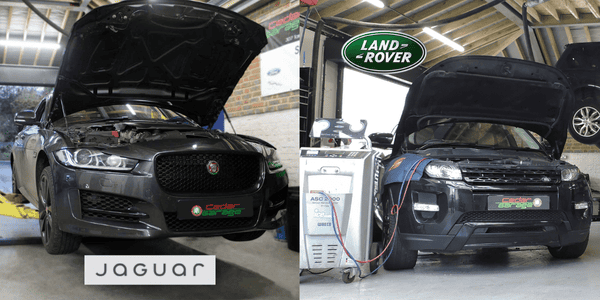
At Cedar Garage, making cars trustworthy and 100% safe is vital to us. Brake and brake pad wear and tear is something we see on a daily basis in the workshop. Therefore we wanted to highlight the dangers of faulty brakes, as not enough people check their brakes regularly enough.
What Are The Dangers of Faulty Brakes?
Having faulty brakes reduces the vehicle’s braking efficiency. If a vehicle has faulty brakes, stopping distances increase and skidding becomes an increased hazard. In the worst case, your brakes can fail completely. All of these have the ability to cause severe accidents, which we all want to avoid. Worn pads can cause damage to brake discs which can result in premature disc replacement, leaving you with unnecessary expenses.
How Your Braking System Works
Braking systems in modern cars are highly complex with a mix of both mechanical and electrical components. Most cars today will have an Anti Lock Braking System (ABS). Sensors on the car record the wheel speeds whilst a computer monitors and controls the application of the car’s brakes during an emergency stop. It’s due to this advanced technology that most faults are found with the brake pads and discs as they are designed to wear and therefore require replacement over time.
Your brakes work when you apply pressure to the brake pedal. A brake booster then amplifies this, exerting a physical force in the master cylinder, forcing brake fluid into the brake calipers. Pressure in the calipers is then exerted on the brake piston which presses the brake pads against the brake discs and causes the vehicle to slow, eventually coming to a halt.
How To Extend The Lifetime Of Your Brakes
The most effective way of increasing the life expectancy of your brakes is by progressive braking. This is where you apply a variable braking action instead of constant pressure on the brake pedal. To progressive brake you need to start with slight braking, slowly increase the pressure and then finish light.
The Benefits of Good Progressive Braking
It will prevent your wheels from locking
Helps you avoid skidding
Increases your fuel efficiency
Allows other road users to react in good time
Reduces wear on your brakes and other components
Avoiding The Dangers of Faulty Brakes By Spotting The Signs
Your vehicle is bound to need brake repairs at some point. If you suspect something is wrong, or something seems different, it’s vital you book in a diagnostic appointment to get this checked out. Here is what you need to look out for:
Squeals, ringing noises or vibrations when braking
Unusually soft or hard brake pedal
Longer stopping distances
Brake fluid light showing
ABS warning light displaying
Brake pad wear light on
Grinding noises when the brakes are applied
Brake Replacement
To avoid the dangers of faulty brakes, it is important your brakes receive regular maintenance and replacement. Regularly servicing your car will mean the brakes will receive a regular check. If you suspect an issue, our specialist technicians at Cedar Garage will measure your brake pads and discs and compare these to the manufacturer specifications to ensure your braking system has a sufficient life. We also inspect your brake fluid as this also has a limited service life and can affect the braking performance. The procedures we complete will provide you with peace of mind that you can safely continue to drive until your next inspection.
The image below outlines the difference between old and new braking components, highlighting the importance of accurate measurements.
Your brake safety is paramount. Call us or use the button below to book your service to prevent the dangers of faulty brakes.