Case Study
Ford Ecoboost Wet Belt Replacement
Our customer brought in their Ford Focus 1.0 EcoBoost with an engine management light that kept coming back on. Her husband had tried to clear it, but the light returned on their very next drive. Although the car seemed to be running normally, a persistent warning light should never be ignored, so our Ford specialist technicians carried out a full diagnostic investigation to find the root cause.
Fault Codes
P213564 – Throttle/pedal position sensor A/B voltage correlation, signal plausibility failure
P213562 – Throttle/pedal position sensor A/B voltage correlation, signal compare failure
P157300 – Throttle position not available
P001678 – Crankshaft/camshaft position correlation bank 1 sensor A, alignment incorrect
P001778 – Crankshaft/camshaft position correlation bank 1 sensor B, alignment incorrect
P010662 – MAP/barometric pressure sensor range/performance, signal compare failure
Common Symptoms
- Engine management light on as soon as the engine is revved
- Warning light returning after being cleared
- Car otherwise appearing to drive normally
- Multiple timing and throttle fault codes stored
Ford EcoBoost Diagnostics
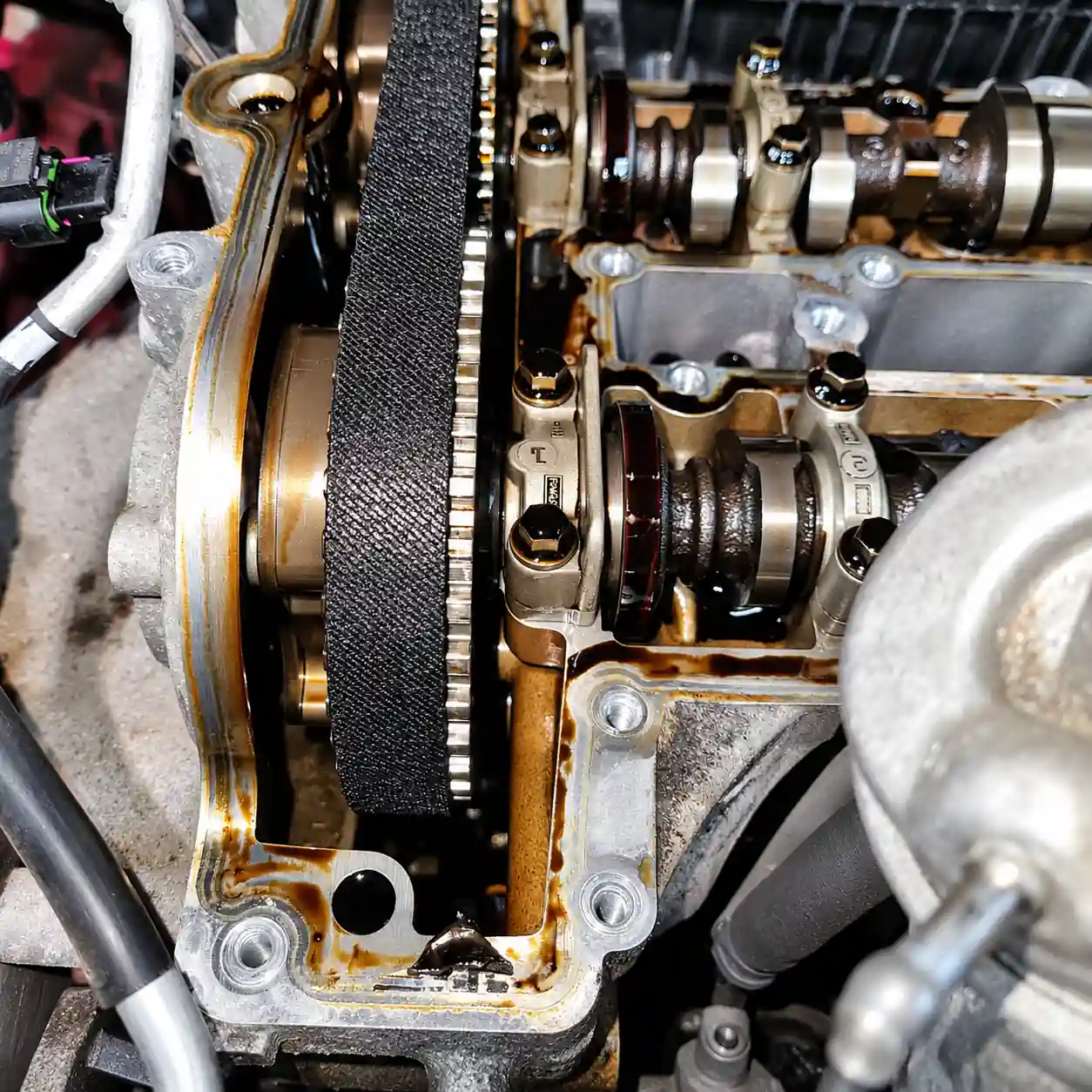
The engine would start, but as soon as it was revved the engine management light came on. We scanned for fault codes and found six stored, covering throttle position, crankshaft and camshaft correlation, and manifold pressure. Fault codes alone weren't enough for an accurate diagnosis, so we read the serial data, carried out visual inspections and checked the technical bulletins. Our Ford specialist technician then scoped the power supply and ground at the camshaft and crankshaft sensors. Finally, we checked the engine timing and found a clear discrepancy, pointing to a damaged timing belt. The only way to confirm it was to remove the front cover and inspect the wet belt.
Vehicles Affected
Ford Focus
- Ford Focus 2012
- Ford Focus 2013
- Ford Focus 2014
- Ford Focus 2015
- Ford Focus 2016
- Ford Focus 2017
- Ford Focus 2018
Ford Fiesta
- Ford Fiesta 2012
- Ford Fiesta 2013
- Ford Fiesta 2014
- Ford Fiesta 2015
- Ford Fiesta 2016
- Ford Fiesta 2017
- Ford Fiesta 2018
- Ford Fiesta 2019
- Ford Fiesta 2020
- Ford Fiesta 2021
- Ford Fiesta 2022
- Ford Fiesta 2023
Ford B-MAX
- Ford B-MAX 2012
- Ford B-MAX 2013
- Ford B-MAX 2014
- Ford B-MAX 2015
- Ford B-MAX 2016
- Ford B-MAX 2017
Ford Transit Connect
- Ford Transit Connect 2014
- Ford Transit Connect 2015
- Ford Transit Connect 2016
- Ford Transit Connect 2017
- Ford Transit Connect 2018
- Ford Transit Connect 2019
- Ford Transit Connect 2020
- Ford Transit Connect 2021
- Ford Transit Connect 2022
Ford EcoBoost Wet Belt Replacement
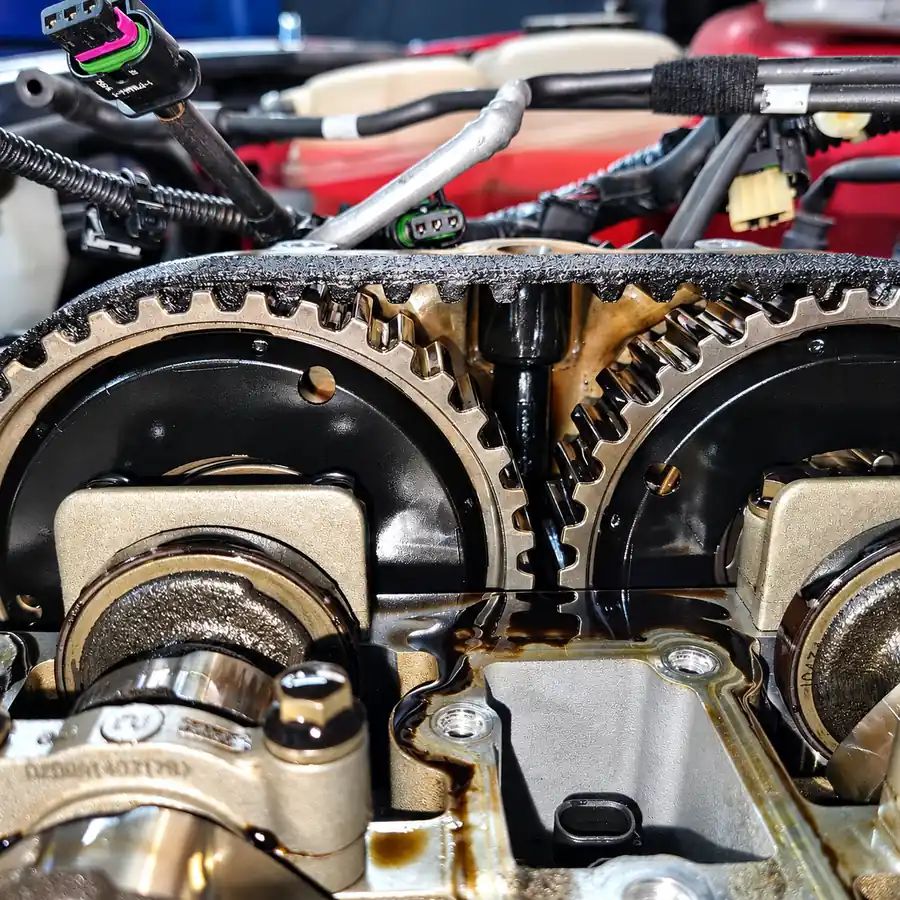
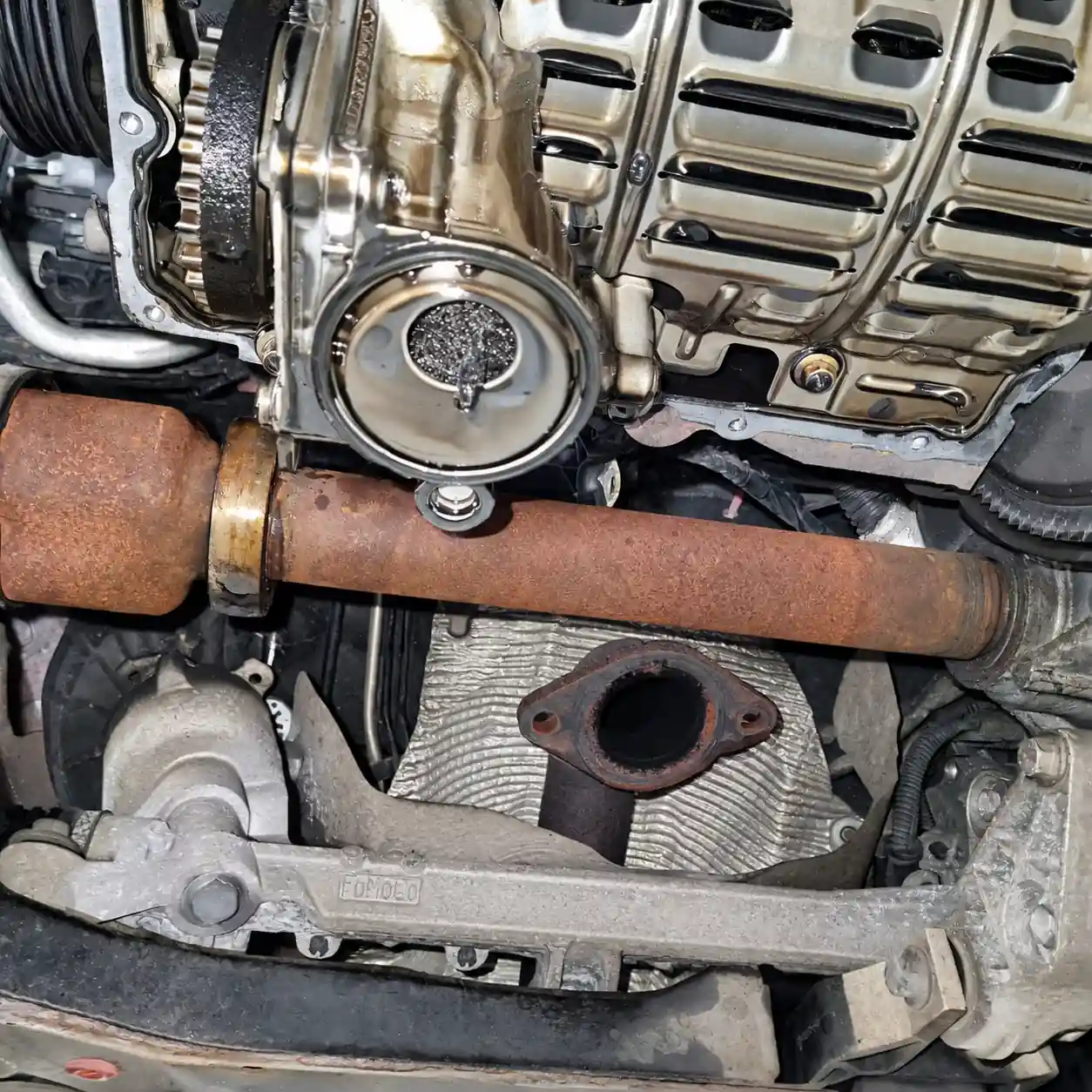
With the cover removed, we confirmed the timing belt had started to break up and was missing teeth, which had knocked the engine timing out. We replaced the timing belt and oil pump belt and re-timed the engine. Because a failing wet belt sheds debris into the engine oil, we suspected the sump strainer could also be blocked, so we removed the sump and found it was. We cleaned the strainer thoroughly, resealed the sump and reassembled the engine. It's worth knowing that the Focus isn't the only Ford with a wet belt, as the Fiesta, B-MAX and Transit Connect with the 1.0 EcoBoost engine use one too. The recommended interval is every 150,000 miles or 10 years, whichever comes first.
Resolution
After a road test and a final fault code check, the engine management light stayed off and all fault codes had cleared. Our customer was unlucky, as the wet belt had deteriorated about a year before its recommended replacement time. It's a good reminder to keep up with your Ford's maintenance and never ignore a warning light, as acting quickly can prevent far more serious engine damage.
Are you experiencing a similar issue?
Book in your vehicle for diagnostics today.
Collection & Delivery
We can collect your vehicle and deliver it back to you.
Hire Cars Available
Stay on the road with our hire cars.
Smooth, Hassle-Free Service
We make the process easy from start to finish.